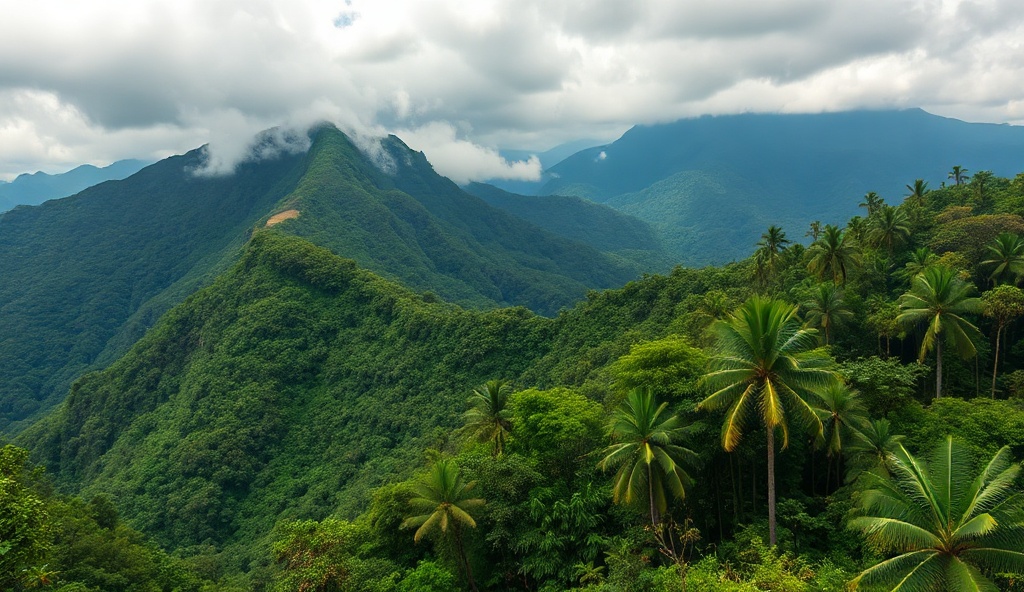
Costa Rican Sierra Ecology: Mountain Ecosystems, Biodiversity & Investment Opportunities
Comprehensive guide to Costa Rica's mountain ranges, cloud forests, and sierra ecosystems—exploring ecology, biodiversity, climate zones, and unique investment opportunities in mountain regions.
Introduction: Costa Rica’s Mountain Kingdom
Rising from Pacific and Caribbean coastlines, Costa Rica’s mountain ranges—the sierras—create a kingdom of ecological diversity and investment opportunity. These cordilleras transform climate, precipitation, and ecosystem composition across just 50 kilometers of lateral distance, generating distinct ecological zones from lowland rainforest to high-altitude cloud forest to exposed volcanic peaks.
Understanding sierra ecology is essential for investors seeking opportunities in mountain regions. Altitude determines climate, climate determines vegetation, vegetation determines wildlife, and these factors drive real estate value, tourism potential, and conservation opportunities. This guide explores Costa Rica’s major mountain systems, their ecological characteristics, and the investment landscape they create.
Part 1: Costa Rica’s Mountain Systems
Geographical Overview
Costa Rica features three major cordilleras (mountain chains) plus the volcanic ridge of the Arenal system:
1. Cordillera de Talamanca
- Highest mountain system
- Peaks: Cerro Chirripó (3,819m highest point)
- Location: Southeast, forming backbone of southern region
- Length: 250+ km
- Ecological zones: Lowland rainforest → cloud forest → páramo (high-altitude grassland)
2. Cordillera Central
- Located in central region
- Peaks: Poás (2,708m), Barva (2,676m), Irazú (3,432m)
- Active volcanoes with geothermal features
- Location: North of Central Valley
- Ecological zones: Montane forest → cloud forest → páramo with volcanic features
3. Cordillera de Guanacaste
- Northwestern system
- Peaks: Orosí (2,426m), Cacao (1,659m)
- Location: North-central and northwestern region
- Ecological zones: Dry forest → cloud forest transition
4. Arenal Volcanic System
- Distinct volcanic system separate from major cordilleras
- Peak: Arenal Volcano (1,633m, historically active)
- Geothermal activity and thermal springs
- Location: Northern lowlands
- Ecological zones: Tropical wet forest → montane forest with thermal features
Elevation & Climate Zones
Altitude profoundly determines Costa Rica’s ecological character:
Sea Level (Lowlands, 0-500m):
- Tropical rainforest (Atlantic slope)
- Tropical dry forest (Pacific slope)
- High humidity, high rainfall (Atlantic), seasonal (Pacific)
- Highest biodiversity of large animals
Lower Montane (500-1,500m):
- Transition forest
- Increased rainfall and cloud cover
- Evergreen forest structure
- Moderate temperatures
Cloud Forest Zone (1,500-2,500m):
- Perpetual cloud immersion
- Intense moisture from clouds
- Stunted, gnarled trees draped in epiphytes
- Unique adaptations to cloud saturation
- High endemism (species found nowhere else)
- Cooler temperatures (15-20°C)
High Mountain/Páramo (2,500m+):
- Alpine grassland and shrubland
- Exposure to strong winds and intense solar radiation
- Low rainfall but high moisture from clouds
- Stunted vegetation adapted to harsh conditions
- Unique páramo species
This altitude zonation means traveling 50km horizontally provides equivalent climate shift of traveling 3,000km latitudinally—extraordinary ecological compression.
Part 2: Cloud Forest Ecology
The Cloud Forest Phenomenon
Cloud forests represent Costa Rica’s most unique ecological system—where clouds themselves become the primary precipitation source.
Formation & Mechanism:
- Moisture-laden trade winds encounter mountain slopes
- Air forced upward, cools, condenses into clouds
- Clouds wrap mountains in near-constant moisture
- Precipitation from cloud capture: 200-300cm annually
- Rain precipitation adds 50-150cm more
- Total moisture: 250-450cm annually (extreme even for tropics)
Fog Precipitation:
- Water droplets from clouds drip from leaves and branches
- Accounts for 50%+ of water availability
- Creates unique water dynamic distinct from typical rain
- Continuous moisture even during “dry” season
Cloud Forest Vegetation
Epiphyte Community:
- Epiphytes: Plants growing on other plants without parasitizing
- Orchids, ferns, bromeliads, lichens create “aerial gardens”
- Some trees support 100+ kg of epiphytes
- Epiphytes create unique microhabitats
Tree Characteristics:
- Stunted growth despite tropical location
- Height limit: Often 15-25m (vs 30-50m lowland rainforest)
- Twisted, gnarled trunks and branches
- Dense canopy with multiple layers
- High wood density and slow growth rates
Understory Flora:
- Dense shade creates sparse understory
- Moss-covered ground
- Abundant ferns and shade-tolerant plants
- Soil accumulation from decomposing epiphytes
Biodiversity Features:
- High plant diversity: 1500+ plant species per 10,000 hectares
- High animal diversity compressed into smaller space
- Endemism: Many species found only in specific cloud forest areas
- Vulnerability: Limited range means extinction risk if habitat lost
Cloud Forest Biodiversity
Fauna Specialization:
- Resplendent Quetzal: Iconic bird dependent on cloud forest avocados
- Howler Monkeys: Echoing calls through misty canopy
- Tapirs: Large herbivores found in remote sierra zones
- Mountain Lions & Jaguars: Apex predators ranging through high forest
- Poison Dart Frogs: Brilliantly colored with toxic skin alkaloids
- Amphibians: 150+ species in cloud forest regions
- Insects: Extraordinary diversity including morpho butterflies
Flora Specialization:
- Lauraceae family: Dominant trees in cloud forest
- Moss & Lichens: Cover 30-50% of tree surfaces
- Orchids: 1200+ species in Costa Rica; many cloud forest specialists
- Tree Ferns: Prehistoric-looking ferns in cloud forest understory
- Bromeliads: Air plants creating water-holding microhabitats
Part 3: Ecological Zones & Representative Regions
Monteverde Cloud Forest
Location & Access:
- Western Cordillera Central
- Elevation: 1,400-1,846m
- Access: Puntarenas or San Jose
- Established community with infrastructure
Ecological Character:
- Permanent cloud cover during much of year
- Perpetual spring-like climate: 15-20°C
- Highest precipitation zones in Americas
- Primary and secondary forest in various successional stages
- High endemic species: Quetzal, resplendent quetzal, Monteverde endemics
Biodiversity Highlights:
- 400+ bird species (including resplendent quetzal)
- 50+ mammal species
- 1500+ plant species
- 120+ amphibian species
Investment Opportunities:
- Eco-lodges: 5-15 rooms generating consistent tourism revenue
- Cloud forest land: Conservation-focused real estate
- Regenerative agriculture: Organic shade-grown coffee
- Research facilities: Biological station opportunities
- Community eco-tourism: Guide services, canopy tours, zip-lines
Property Market:
- Prices: $400K-$2M+ for developed eco-properties
- Rental rates: $150-300+ per night during peak season
- Occupancy: 60-80% annual average
- Annual returns: 8-12% with appreciation
Arenal Region
Location & Access:
- Northern zone near Nicaragua border
- Elevation: 100m lowlands to 1,600m+ on slopes
- Access: La Fortuna town hub
- Mixed ecosystem with geothermal features
Ecological Character:
- Tropical wet forest transitioning to montane forest
- Arenal Volcano: Historically active, now dormant
- Geothermal hot springs with unique thermal gradient ecology
- High rainfall: 300-400cm annually
- Diverse elevation zones within short distances
Biodiversity Highlights:
- 440+ bird species
- 60+ mammal species including jaguars, tapirs
- Caimans in Lake Arenal
- Poison dart frogs and unique amphibians
- Thermal ecosystem species adapted to hot springs
Geothermal Features:
- Tabacón Hot Springs: 38-52°C naturally heated water
- Thermal rivers: Hot water flowing through forest
- Unique vegetation adapted to thermal stress
- Tourism attraction driving visitor demand
Investment Opportunities:
- Thermal resorts: High demand and premium pricing
- Adventure tourism: Zip-lining, hiking, horseback riding
- Wellness retreats: Spa and wellness centers
- Lake Arenal real estate: Waterfront properties
- Sustainable agriculture: High-altitude coffee on slopes
Property Market:
- Prices: $400K-$1.8M for developed properties
- Thermal resort revenue: $200K-$500K annually for 10-20 room properties
- Strong tourism demand year-round
- Annual returns: 10-15% with ownership operational component
Central Valley Cloud Forest Regions
Location & Access:
- Cordillera Central mountains
- Elevation: 1,200-2,200m
- Access: 30-60 minutes from San Jose
- Accessible to capital city
Ecological Character:
- Cloud forest with cooler climate than lower regions
- Spring-like perpetual temperatures: 12-18°C
- High rainfall with distinct dry season
- Secondary growth and regenerating forest common
- Active volcanoes (Poás, Irazú, Barva)
Biodiversity Highlights:
- 350+ bird species
- Cloud forest specialists
- Good mammal diversity
- Lower overall species diversity than western cloud forests
- More human-influenced landscape
Investment Opportunities:
- Residential real estate: Retirement homes, investment properties
- Coffee production: High-altitude, high-quality coffee
- Organic agriculture: Vegetable production for Central Valley market
- Remote work residences: Digital nomad and expat homes
- Small-scale eco-tourism: Lodge and retreat facilities
Property Market:
- Prices: $300K-$1.2M more accessible than western regions
- Proximity to San Jose creates demand
- Rental market for expat/tourist accommodation
- Annual returns: 7-10% with owner-occupied possibilities
Talamanca High Peaks
Location & Access:
- Southeastern Cordillera de Talamanca
- Elevation: 2,000-3,819m (highest point)
- Remote and difficult access
- Mostly protected as national park
Ecological Character:
- Highest biodiversity per area of any Costa Rican region
- Multiple elevation zones creating zonation
- Cloud forest transitioning to páramo at peaks
- High endemism with species found nowhere else
- Pristine with minimal human influence
Biodiversity Highlights:
- 400+ bird species including high-altitude specialists
- Rare mammals: Resplendent quetzal, three-wattled bellbird, harpy eagles
- Amphibian hotspot: 100+ species in extreme density
- Plant endemism: High percentage of species found only here
- Jaguar and mountain lion stronghold
Conservation Status:
- Largely protected as national parks and reserves
- Limited development permitted
- Indigenous territories with management responsibilities
- Research opportunities through permits
Investment Opportunities:
- Conservation finance: Support protected area management
- Research stations: Biological field station opportunities
- Eco-tourism: Limited, high-value experiences
- Lower elevation properties: Gateway communities with lower altitude zones
- Carbon credits: Reforestation and conservation programs
Part 4: Sierra Ecology & Climate Considerations
Rainfall Patterns
Atlantic (Windward) Slopes:
- 300-500cm+ annually
- More uniform year-round distribution
- Intense morning/afternoon convective rainfall
- Limited dry season
- Persistent cloud cover
Pacific (Leeward) Slopes:
- 150-300cm annually (depends on altitude)
- Distinct dry season: Dec-April
- High-altitude zones receive more rain
- Temperature extremes higher than Atlantic
- Seasonal cloud cover variation
Zonation Effects:
- Rain shadow: Lee side of mountains receives less rain
- Orographic precipitation: Windward sides wettest
- Temperature decreases with altitude: ~5°C per 1,000m elevation
Weather & Natural Hazards
Hurricanes & Tropical Storms:
- Atlantic coast vulnerable to Caribbean hurricanes
- Pacific coast generally spared by continental position
- Mountain regions relatively protected
- Landslide risk in steep terrain during extreme rainfall
Earthquakes:
- Costa Rica sits on Pacific Ring of Fire
- Frequent small earthquakes (magnitude 3-5 common)
- Larger events: 6-7 magnitude possible but infrequent
- Mountain geology can trigger landslides in steep terrain
Volcanic Activity:
- Active volcanoes: Arenal (dormant now), Poás, Irazú
- Eruptions rare but possible
- Volcanic ash affects air quality temporarily
- Thermal features provide benefits alongside minor risks
Flooding & Landslides:
- High-rainfall zones vulnerable in extreme events
- Steep terrain increases landslide risk
- Proper drainage and land management essential
- Property location critical to risk mitigation
Part 5: Mountain Living & Lifestyle
Climate & Lifestyle Adaptation
Perpetual Spring:
- Monteverde & high-altitude zones: 15-20°C year-round
- No extreme heat or cold
- Cooler than lowlands but never freezing
- Consistent planting seasons
Rainfall Adaptation:
- Afternoon rains typical in many zones
- Morning hours often clear
- Roof runoff systems for water harvesting
- Drainage systems essential
Community Development:
- Mountain towns often have strong expat communities
- Established infrastructure (electricity, water, internet)
- Schools and services in larger communities
- Remote areas require self-sufficiency
Agricultural Productivity
High-Altitude Advantages:
- Natural pest control: Altitude reduces pest populations
- Organic certification: Lower chemical pressure
- Premium markets: High-altitude coffee commands premiums
- Biodiversity: Shade crops support wildlife
Coffee Production:
- Best at 1,200-2,000m elevation
- Slower ripening extends harvest season
- Higher acidity and complexity in cup
- Specialty coffee market premiums
Polyculture Systems:
- Shade-grown coffee with companion crops
- Bananas, plantains, fruit trees under coffee
- Forestry component (timber/fuel wood)
- Diversified income streams
Part 6: Sierra Investment Strategy
Property Selection Criteria
For Eco-Tourism:
- Elevation 1,200-1,800m (cloud forest)
- Viewpoint or forest access
- Road access (not too remote)
- Infrastructure (water, electricity)
- Quiet location away from noise
For Residential:
- Climate preference (altitude determines temperature)
- Community infrastructure
- Access to services (schools, healthcare, shopping)
- Road quality
- Property condition and land size
For Conservation:
- High biodiversity or ecosystem value
- Connectivity with protected areas
- Management capacity
- Community benefit potential
- Funding available for management
Financing & Returns
Eco-Lodge Investment:
- Investment: $500K-$1.5M for developed property
- Revenue: $200K-$500K annually (typical)
- Operating costs: 30-40% of revenue
- Net profit: $100K-$300K annually
- Annual return: 10-20% on investment
- Appreciation: 3-5% annually in land value
Residential/Retreat Property:
- Investment: $300K-$800K
- Rental revenue: $2,000-$5,000 monthly
- Operating costs: 20-30% of revenue
- Annual return: 6-12%
- Appreciation: 3-5% annually
Conservation/Carbon Projects:
- Investment: $100K-$1M+
- Financial returns: 4-8% annually
- Tax benefits: Conservation easement deductions
- Impact returns: Biodiversity protection, carbon sequestration
- Appreciation: Conservative but steady
Part 7: Managing Sierra Properties
Essential Considerations
Water Management:
- Abundant water availability but management critical
- Gravity-fed systems from springs/streams
- Storage tanks for consistent supply
- Drainage systems prevent erosion
Access & Roads:
- Mountain roads challenging in rainy season
- Maintenance essential
- 4WD vehicle recommended
- Road quality impacts insurance and resale value
Weather Preparedness:
- Intense rainfall requires robust systems
- Wind protection (exposure varies with altitude)
- Lightning protection systems
- Flood management for stream properties
Wildlife Coexistence:
- Animal encounters common (snakes, spiders, wildlife)
- Education and respect essential
- Secure food storage
- Garden pest management without toxins
Community Integration:
- Local hiring for services
- Participation in community activities
- Respect for local culture and customs
- Relationship building with neighbors
Conclusion: Investing in Costa Rican Sierras
Costa Rica’s mountain ecosystems represent extraordinary diversity compressed into unique ecological zones. From the misty cloud forests of Monteverde to the geothermal wonders of Arenal to the high peaks of Talamanca, each sierra system offers distinct ecological, lifestyle, and investment characteristics.
Understanding the connection between elevation, climate, ecology, and economics enables informed investment decisions. Whether you’re drawn to eco-tourism opportunities, conscious conservation, lifestyle mountain living, or sustainable agriculture, the sierras offer pathways aligned with your values and financial objectives.
The opportunities extend beyond financial returns—mountain investment engages with conservation, community development, and the creation of models demonstrating that profitability and environmental stewardship are complementary, not contradictory.
Ready to explore sierra investment opportunities aligned with your vision? Our team specializes in connecting investors with vetted mountain properties, conservation projects, and eco-tourism ventures throughout Costa Rica’s remarkable mountain systems.
Ready to Explore Your Costa Rica Investment?
Our team specializes in helping investors like you navigate opportunities aligned with your values and financial goals.
Schedule a Consultation